
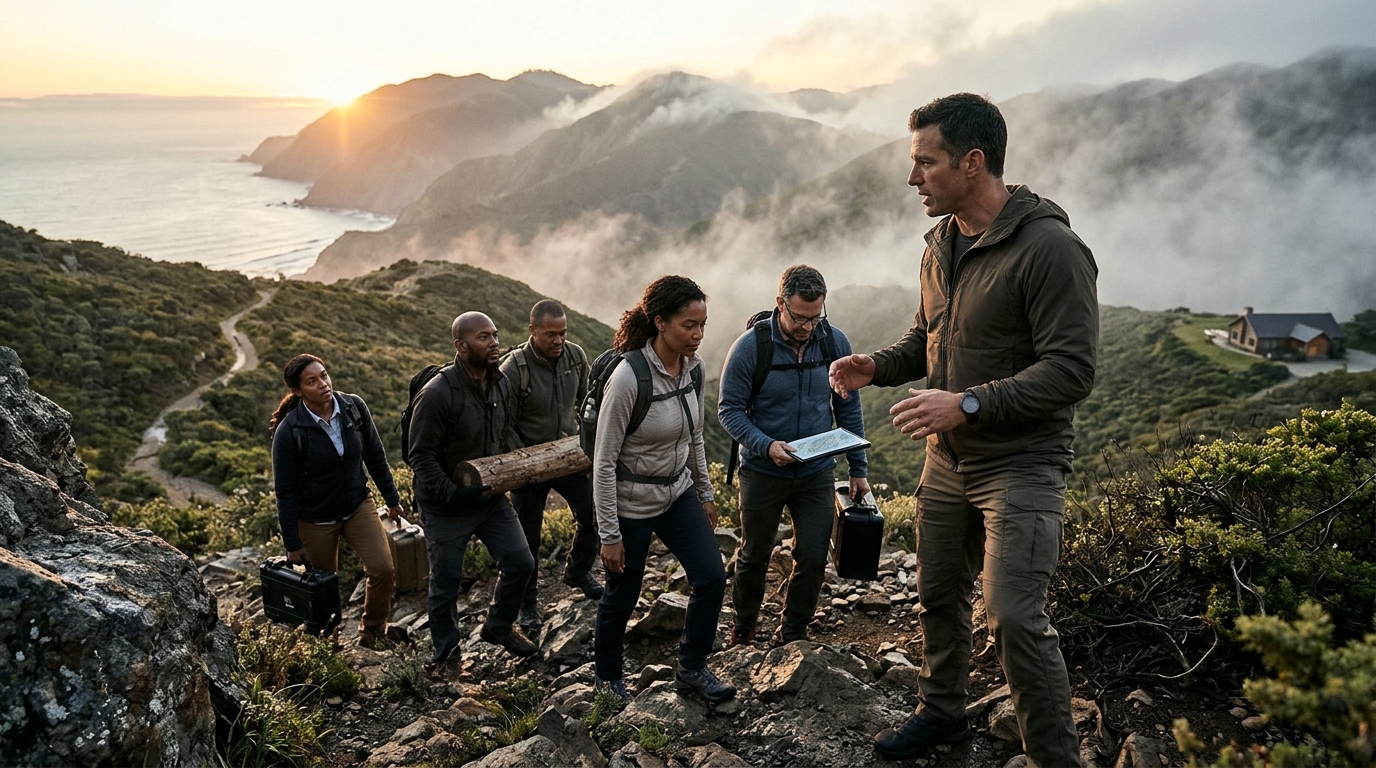
Business teams can model special operations tactics by adopting decentralized command structures and rigorous resilience exercises. These frameworks shift leadership from top-down control to distributed accountability. This guide explores how former Navy SEALs and leadership experts translate military discipline into corporate performance. It covers the core principles of distributed leadership and the specific training methodologies that build unbreakable team cohesion. according to Special Operations Research For additional details, review the Jacob Werksman Keynote Speaker.
Decentralized Command Frameworks
Decentralized command is a leadership model where decision-making authority is distributed to the lowest level of the organization capable of making an informed choice. In traditional corporate structures, decisions often stall in upper management. Special operations forces operate differently. They rely on a concept known as mission command. This approach allows team members to act autonomously within a defined intent. Jacob Werksman emphasizes that high-performing teams require high-performing individuals who can lead themselves before leading others. This shift in mindset is critical for modern business agility.
The Principle of Mission Command
Mission command is a leadership philosophy that focuses on the desired outcome rather than the specific steps to achieve it. Leaders communicate the 'why' and the 'what' clearly. They then trust their team to determine the 'how'. This method reduces bottlenecks and accelerates execution. In a fast-paced market, waiting for approval on every minor decision is a competitive disadvantage. Teams that embrace this framework respond to changes in real-time. They do not wait for instructions. They adapt based on the situation at hand.
Building Trust Through Autonomy
Autonomy without trust leads to chaos. Trust without autonomy leads to stagnation. Special operations teams build trust through rigorous vetting and consistent performance. In business, this translates to hiring for character and capability. Leaders must demonstrate that they trust their team to make the right calls. This trust is earned through transparency and shared accountability. When team members feel trusted, they take ownership of their results. They stop waiting for permission. They start driving performance. This cultural shift is the foundation of a decentralized command structure.
Implementing Distributed Leadership
Implementing distributed leadership requires a deliberate change in communication patterns. Leaders must move from dictating tasks to setting standards. They must define clear boundaries and expectations. Within those boundaries, team members have the freedom to innovate. This approach empowers employees to solve problems creatively. It also prepares them for future leadership roles. Every team member becomes a leader. This creates a resilient organization that does not depend on a single point of failure. The result is a team that is agile, responsive, and highly motivated.
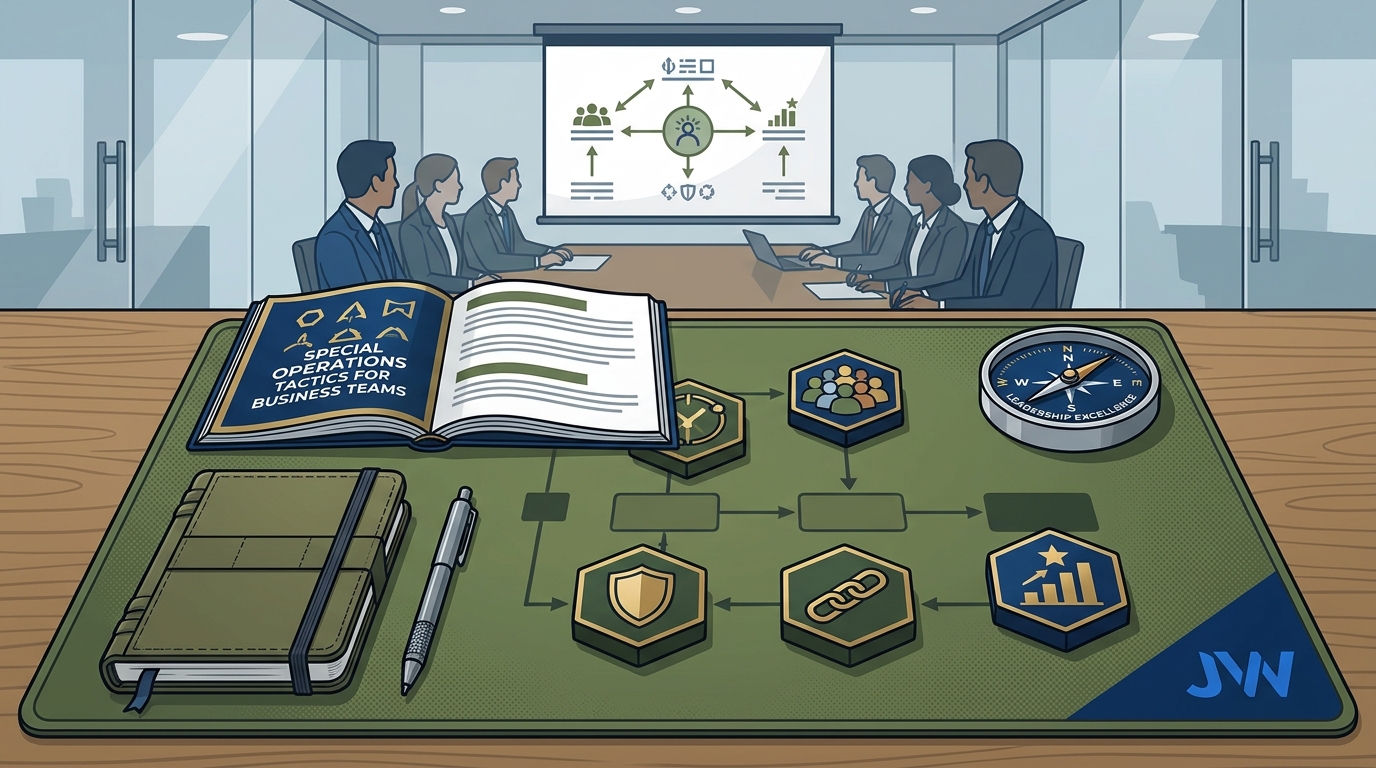
Team Resilience Exercises
Team resilience is the collective ability of a group to withstand stress, recover from setbacks, and maintain performance under pressure. Business environments are increasingly volatile. Teams face tight deadlines, resource constraints, and shifting priorities. Special operations training prepares individuals and teams for high-stress scenarios. These exercises build mental toughness and physical endurance. They also foster deep interpersonal bonds. Jacob Werksman notes that leadership is defined by how we lead ourselves and influence others. Resilience is a core component of self-leadership. It is also a critical factor in team success.
Stress Inoculation Training
Stress inoculation training is a method of gradually exposing individuals to increasing levels of stress. This process helps them develop coping mechanisms. In a business context, this can take the form of simulated crises. Teams practice responding to unexpected challenges. They learn to remain calm and focused. They develop the ability to make clear decisions under pressure. This preparation reduces panic during real emergencies. It also builds confidence. Teams that have practiced under stress are less likely to freeze when it matters most. They approach challenges with a sense of control and competence.
Shared Adversity and Bonding
Recovery and Reflection
Resilience is not just about enduring stress. It is also about recovering from it. Special operations teams emphasize the importance of rest and reflection. They understand that burnout is a threat to performance. Leaders must create space for recovery. They must encourage team members to decompress after intense periods. Reflection is also critical. Teams should analyze their performance after challenging events. They should identify what worked and what did not. This continuous improvement cycle is essential for long-term resilience. It allows teams to learn from their experiences. It helps them grow stronger over time. This balance of stress and recovery is key to sustainable high performance.
| Framework | Military Origin | Business Application | Primary Benefit |
|---|---|---|---|
| Mission Command | Decentralized decision-making | Distributed leadership authority | Increased agility and speed |
| Stress Inoculation | Gradual exposure to pressure | Simulated crisis management | Improved decision-making under stress |
| Shared Adversity | Joint training and operations | Collaborative high-stakes projects | Stronger team cohesion and trust |
| Recovery Protocols | Rest and reflection cycles | Structured downtime and debriefs | Prevention of burnout and fatigue |
Key Takeaways
- Decentralized command shifts authority to the lowest capable level, increasing organizational agility.
- Mission command focuses on the desired outcome, allowing teams to determine the best path to success.
- Trust is the foundation of distributed leadership and must be built through consistent performance.
- Team resilience is the ability to withstand stress and recover from setbacks effectively.
- Stress inoculation training prepares teams for high-pressure situations through gradual exposure.
- Shared adversity fosters deep interpersonal bonds and a culture of mutual support.
- Recovery and reflection are essential components of sustainable high performance.
- Leaders must model resilience and self-leadership to influence their teams effectively.
Frequently Asked Questions
What is the core difference between traditional command and mission command?
Traditional command relies on top-down instructions and strict control. Mission command focuses on communicating intent and trusting the team to execute. This shift allows for faster decision-making and greater adaptability in dynamic environments.
How can business leaders implement decentralized command?
Why is resilience important for business teams?
Resilience allows teams to maintain performance under pressure and recover from setbacks. In a volatile market, the ability to bounce back quickly is a significant competitive advantage. It also contributes to employee well-being and retention.
What are some examples of stress inoculation in a business setting?
How does shared adversity build team cohesion?
When teams face challenges together, they develop a sense of mutual reliance and support. This shared experience creates strong interpersonal bonds. It fosters a culture where team members look out for each other and are committed to collective success.
What role does reflection play in team resilience?
Reflection allows teams to analyze their performance and learn from their experiences. It helps them identify areas for improvement and develop strategies for future challenges. This continuous improvement cycle is essential for long-term resilience and growth.
How can leaders balance stress and recovery for their teams?
Leaders must create a culture that values both high performance and well-being. They should encourage structured downtime and reflection after intense periods. This balance prevents burnout and ensures that teams can sustain their performance over time.
Where can I learn more about applying military tactics to business?
You can explore resources from leadership experts who have military backgrounds. Jacob Werksman's books offer practical insights on leadership and performance. These resources provide frameworks for translating military discipline into corporate success. according to Special Operations Program
Conclusion
Modeling special operations tactics for business teams is a powerful strategy for enhancing performance and resilience. By adopting decentralized command frameworks, organizations can increase agility and empower their employees. By implementing team resilience exercises, leaders can build cohesive and stress-resistant teams. These approaches are not just about mimicking military methods. They are about applying proven principles of leadership and performance. Jacob Werksman offers insights and training that can help your organization embrace these principles. To accelerate your team's leadership and performance, consider reaching out to discuss how these frameworks can be tailored to your specific needs.