

Executive presence is the ability to command attention, inspire trust, and influence outcomes through consistent behavior and authentic communication. From a former Navy SEAL's perspective, this quality is not innate but cultivated through rigorous discipline, self-awareness, and deliberate practice. Jacob Werksman, a former US Navy SEAL and Harvard Business School Executive Fellow, argues that true presence stems from mastering the GAP: Gravitas, Awareness, and Presence. This framework provides a practical roadmap for leaders seeking to elevate their impact in high-stakes environments.
The Foundation of Gravitas
Gravitas is the quality of dignity and seriousness that commands respect without demanding it. In military contexts, gravitas is earned through demonstrated competence and calm under pressure. For executives, this translates to a steady demeanor that reassures teams during uncertainty. Werksman emphasizes that gravitas is not about arrogance but about the quiet confidence that comes from knowing your capabilities and limitations. To explore how this philosophy is applied in professional settings, you can start a conversation with our team.
Consider the example of a Navy SEAL Team Leader who must make split-second decisions in combat. This leader does not rely on loud commands but on a composed presence that signals reliability. In the boardroom, this translates to speaking less but with greater impact. When a leader maintains composure during a crisis, they signal to their team that the situation is under control. This behavioral consistency builds a reputation for stability that is essential for executive presence.
Cultivating Situational Awareness
Awareness is the capacity to perceive and interpret the dynamics of a room, including unspoken tensions and shifting power structures. High-performing leaders develop this skill through continuous observation and reflection. It involves reading non-verbal cues, understanding stakeholder motivations, and anticipating potential challenges before they escalate. This cognitive agility allows leaders to adapt their communication style in real-time. For additional details, review the Jacob Werksman Keynote Speaker profile.
Werksman draws on his experience in special operations, where situational awareness is a matter of survival. In business, this skill prevents miscommunication and fosters collaboration. For instance, a CEO who notices a key team member's disengagement can address the issue privately before it affects project outcomes. This proactive approach demonstrates empathy and strategic thinking. By sharpening their awareness, leaders create an environment where others feel seen and valued, which strengthens organizational cohesion.
The Power of Authentic Presence
Presence is the state of being fully engaged in the current moment, allowing leaders to connect authentically with others. It is the culmination of gravitas and awareness, manifesting as a magnetic quality that draws people in. Authentic presence requires vulnerability and transparency, as leaders who hide their true selves often appear distant or untrustworthy. This authenticity builds the emotional connection necessary for long-term influence.
In his work, Werksman highlights that presence is not a performance but a state of being. It is the difference between a leader who is merely speaking and one who is truly listening. For example, a manager who puts away their phone and makes eye contact during a one-on-one meeting signals respect and attention. This small act of presence can significantly improve employee morale and retention. By prioritizing authentic engagement, leaders create a culture of trust that drives performance.
Integrating the GAP Framework
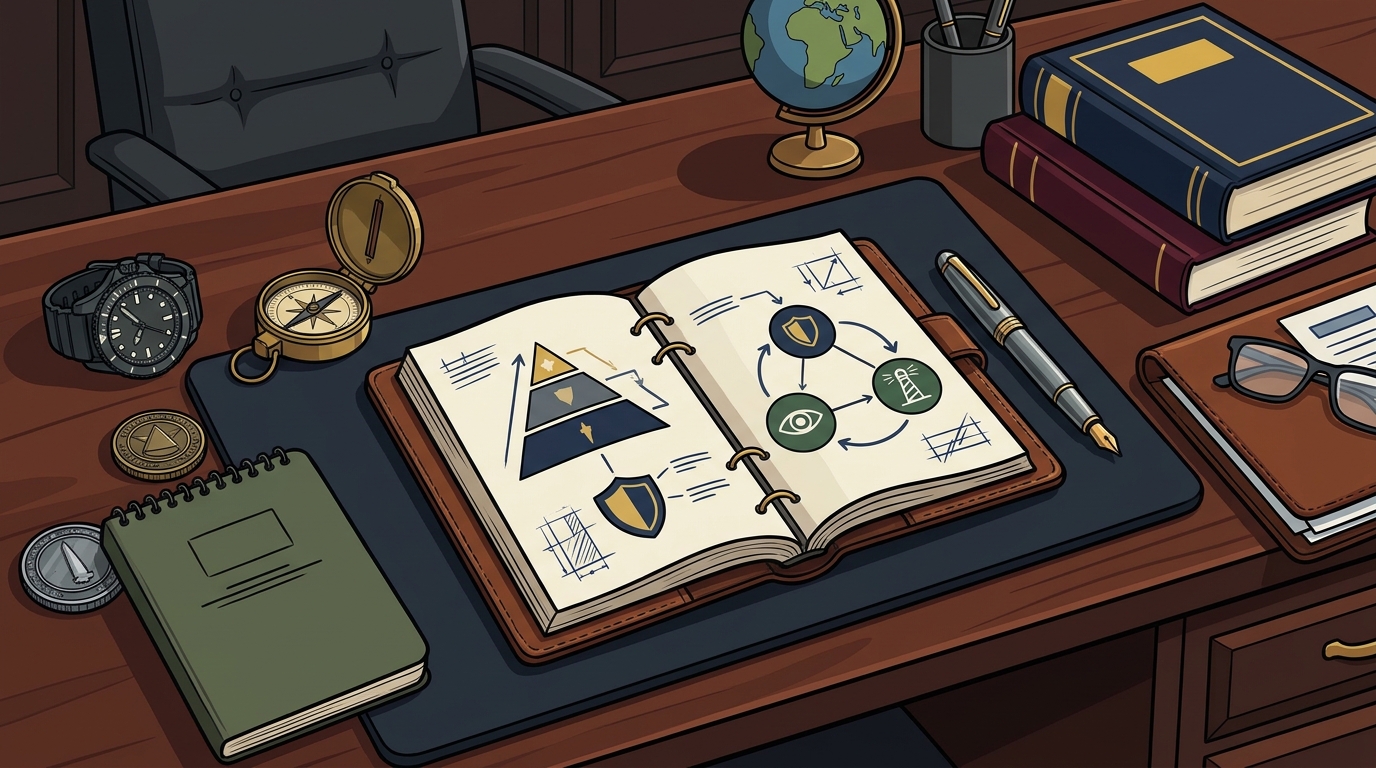
The GAP Enhancement Cycle is a step-by-step framework designed to help leaders systematically develop their executive presence. It involves assessing current strengths and weaknesses, setting specific goals, and implementing daily practices to improve each component of the GAP. This structured approach ensures that development is consistent and measurable. Leaders can use this cycle to track their progress and adjust their strategies as needed.
Integrating the GAP framework requires commitment and patience. It is not a quick fix but a long-term investment in personal growth. For example, a leader might start by focusing on gravitas through public speaking practice, then move to awareness through mindfulness exercises, and finally work on presence through active listening techniques. This phased approach allows for sustainable change. By following this framework, leaders can transform their impact and achieve their full potential.
Practical Steps for Leaders
Developing executive presence requires intentional action and continuous feedback. Leaders should seek out mentors and coaches who can provide objective perspectives on their behavior. They should also create opportunities for high-visibility assignments that challenge them to step out of their comfort zones. These experiences build the resilience and adaptability necessary for effective leadership.
Werksman advises leaders to start small and build momentum. For instance, a leader might begin by practicing deep breathing before important meetings to enhance their gravitas. Over time, these small habits compound into significant behavioral changes. By taking ownership of their development, leaders can create a lasting legacy of influence and excellence. This proactive approach ensures that executive presence becomes a natural part of their leadership style.
Key Takeaways
- Executive presence is a combination of gravitas, awareness, and presence, not just charisma.
- Gravitas is built through competence and calm under pressure, signaling reliability to teams.
- Situational awareness allows leaders to read the room and adapt their communication effectively.
- Authentic presence requires vulnerability and full engagement in the current moment.
- The GAP Enhancement Cycle provides a structured framework for systematic development.
- Consistent practice and feedback are essential for long-term improvement in executive presence.
Frequently Asked Questions
What is the GAP framework in leadership?
The GAP framework is a model developed by Jacob Werksman that focuses on Gravitas, Awareness, and Presence as the core components of effective leadership. It provides a structured approach for leaders to assess and improve their executive presence through deliberate practice and reflection.
How does a Navy SEAL background influence leadership style?
A Navy SEAL background instills discipline, resilience, and a focus on mission-critical details. These traits translate into leadership by fostering a calm, decisive, and highly aware approach to problem-solving and team management in high-pressure business environments.
Can executive presence be learned?
Yes, executive presence is a skill that can be learned and developed through consistent practice, feedback, and intentional behavior modification. It is not an innate trait but a set of behaviors that can be cultivated over time.
What is the difference between gravitas and confidence?
How can leaders improve their situational awareness?
Leaders can improve situational awareness by practicing active listening, observing non-verbal cues, and reflecting on their interactions. Mindfulness exercises and seeking feedback from diverse perspectives also help sharpen this skill.
Why is authenticity important for executive presence?
Authenticity builds trust and emotional connection with teams and stakeholders. Leaders who are authentic appear more relatable and credible, which enhances their influence and fosters a positive organizational culture. Learn more: Contact Start Your Conversation.