
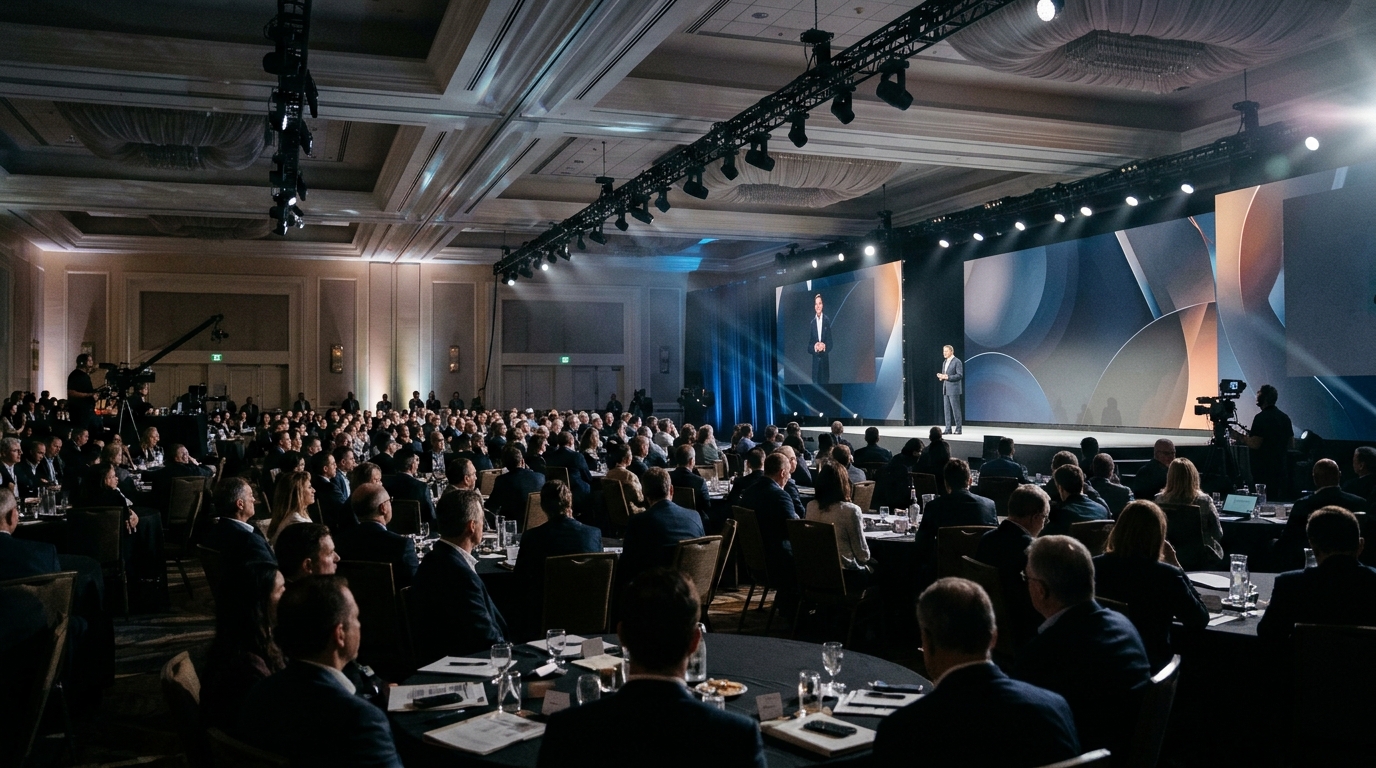
Keynote speaker fees for corporate events vary widely based on the speaker's reputation, industry demand, and the specific scope of the engagement. While exact figures fluctuate, organizations typically budget for a range that reflects the speaker's unique value proposition and the complexity of the requested presentation. Understanding these variables helps event planners align their budget with the strategic impact of the chosen voice. To plan your visit, contact our team.
Determinants of Speaker Fees
Speaker fees are not standardized across the industry. The primary driver is the speaker's perceived authority and track record. A keynote speaker is a professional hired to deliver a central address that sets the tone for an event. Their fee often correlates with their ability to influence organizational culture or drive specific behavioral changes. For instance, a former military leader with a background in elite special operations may command a premium due to the unique credibility they bring to leadership discussions.
The Role of Credibility
Credibility is built through a combination of professional experience, academic contributions, and public recognition. Speakers who hold advanced degrees or serve in executive roles at prestigious institutions often have higher fee structures. This is because their insights are backed by rigorous research and real-world application. Organizations seeking to align their team with high-performance standards often look for speakers who can bridge the gap between theoretical knowledge and practical execution.
How Engagement Types Affect Cost
Customization and Personalization
Personalization is a key differentiator in the speaker market. Speakers who take the time to understand an organization's mission, vision, and current challenges can deliver a more impactful message. This level of customization often requires pre-event consultations and content development, which are factored into the fee. Jacob Werksman, for example, emphasizes the importance of aligning his presentations with the specific needs of the audience, ensuring that the message resonates with the team's goals.

Market Variables and Demand
Market demand and the speaker's availability also play a role in fee determination. High-demand speakers who are in high demand for their specific expertise may have less flexibility in their scheduling and pricing. Speaker booking is the process of securing a professional to deliver a presentation at an event. The timing of the event, the location, and the size of the audience can all influence the fee. For instance, a speaker who is in high demand for their expertise in leadership development may have a higher fee than a speaker with a more general topic.
Industry-Specific Demand
Certain industries, such as technology, finance, and healthcare, often have higher budgets for speaker engagements. This is because these industries are constantly seeking ways to innovate and improve performance. Speakers who have experience in these industries may command higher fees due to their understanding of the specific challenges and opportunities in these sectors. For example, a speaker who has worked with Fortune 500 companies may have a higher fee than a speaker who has primarily worked with small businesses.
Strategic Value Beyond the Fee
When evaluating speaker fees, organizations should consider the strategic value of the engagement. A high-impact keynote can inspire a team to adopt new behaviors, improve performance, and achieve their goals. The return on investment (ROI) of a speaker engagement is often measured by the long-term impact on the organization's culture and performance. Leadership development is the process of improving the skills and capabilities of leaders within an organization. By investing in a high-quality speaker, organizations can accelerate their leadership development and drive sustainable performance.
Measuring Impact
Key Takeaways
- Speaker fees are influenced by credibility, engagement type, and market demand.
- Customization and personalization can increase the fee but also the impact.
- Organizations should consider the strategic value of the engagement, not just the fee.
- High-demand speakers may have less flexibility in their scheduling and pricing.
- Measuring the impact of the speaker engagement is essential for ROI.
Frequently Asked Questions
What factors influence a keynote speaker's fee?
A keynote speaker's fee is influenced by their reputation, industry demand, the scope of the engagement, and the level of customization required. Speakers with a strong track record and unique expertise often command higher fees.
How does the type of engagement affect the fee?
The type of engagement, such as a standard keynote, a workshop, or a strategic advisory session, can significantly affect the fee. More complex engagements that require additional time and research may have higher fees.
What is the role of customization in speaker fees?
Customization plays a significant role in speaker fees. Speakers who tailor their content to address specific organizational challenges often charge more because of the additional time and effort required to develop a personalized message.
How can organizations measure the ROI of a speaker engagement?
Are there any industry-specific trends in speaker fees?
Yes, certain industries, such as technology, finance, and healthcare, often have higher budgets for speaker engagements. Speakers with experience in these industries may command higher fees due to their understanding of the specific challenges and opportunities in these sectors.
Conclusion
Understanding the factors that influence keynote speaker fees is essential for organizations seeking to make informed decisions about their event budgets. By considering the strategic value of the engagement, organizations can invest in talent that drives long-term impact and performance. To explore how a customized leadership message can accelerate your team's performance, book Jacob Werksman for your next event.