

Booking a live keynote speaker requires aligning the presenter's expertise with your organizational goals, audience demographics, and event logistics. Success depends on clear communication of your desired outcomes, rigorous vetting of the speaker's background, and detailed contractual planning. Organizations that prioritize strategic fit over mere entertainment see higher engagement and measurable cultural shifts. This guide outlines the essential steps for securing a high-impact presentation that resonates with your team.
Defining Your Strategic Objectives
Before contacting any speaker, you must define what success looks like for your event. A keynote is not just a performance; it is a strategic tool for cultural alignment. You need to identify the specific behaviors or mindsets you want to shift in your audience. For example, if your company is undergoing a merger, you might need a speaker who specializes in change management and trust-building rather than general motivational hype.
Clarity in objectives ensures that the speaker can tailor their message to your unique context. Strategic alignment is the foundation of a successful keynote engagement. When you articulate your goals clearly, you filter out presenters who offer generic content and attract those who can provide customized insights. This step saves time and ensures the final presentation delivers tangible value to your organization.
Vetting the Speaker's Credentials and Style
Once you have your objectives, you must evaluate potential speakers against your criteria. Look beyond the title and examine the depth of their experience. A speaker with a background in high-stakes environments, such as the military or elite corporate sectors, often brings a level of discipline and resilience that resonates with business leaders. For instance, Jacob Werksman combines his experience as a former Navy SEAL with academic research to offer leadership frameworks that are both rigorous and practical.
Review their past presentations, testimonials, and published work to gauge their style. Do they use data-driven approaches or narrative storytelling? Does their energy match your audience's expectations? Credential verification is critical to ensure the speaker can deliver on their promises. A speaker who has worked with diverse corporate audiences brings a breadth of perspective that enriches the learning experience.
Navigating the Booking Process and Logistics
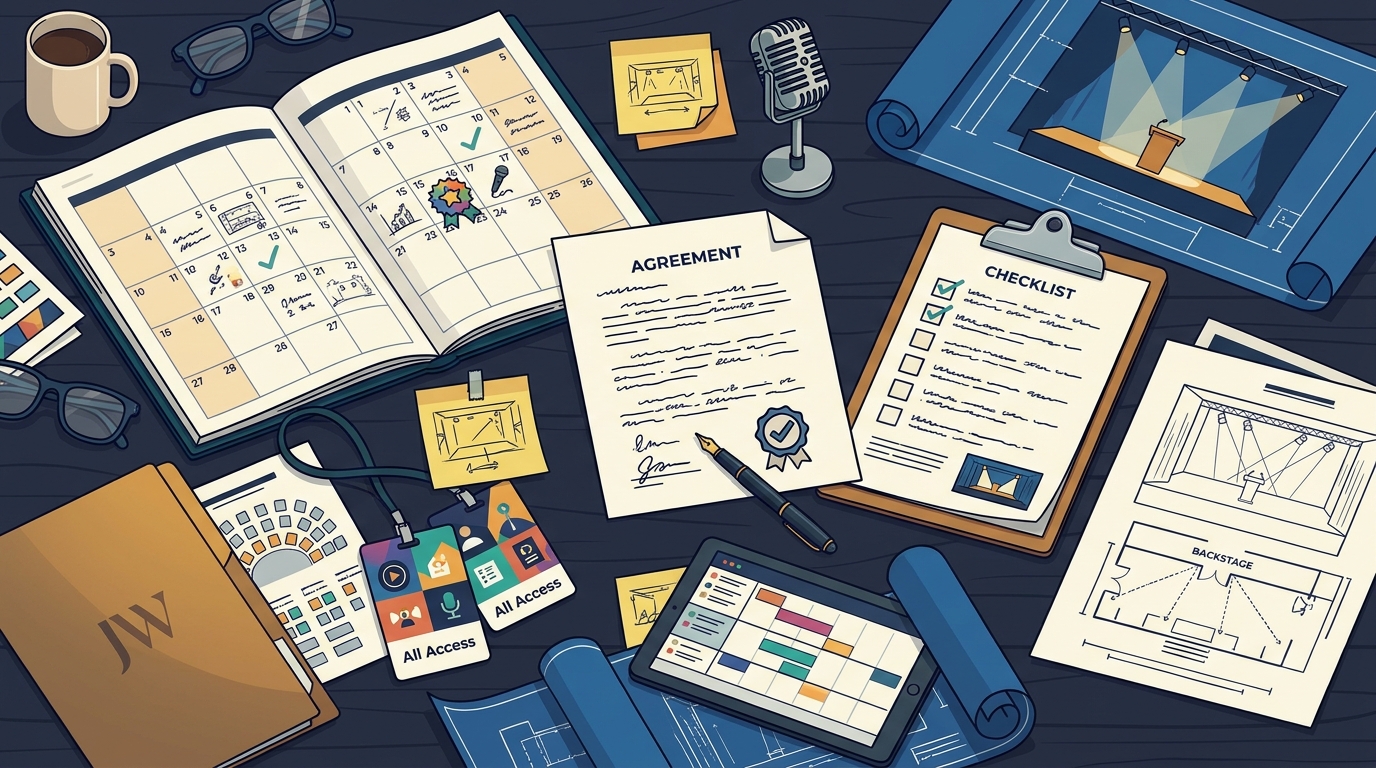
The administrative side of booking a keynote involves several key steps, from initial inquiry to final contract. Most professional speakers operate through a booking agent or a direct contact form. You should prepare a detailed brief that includes your event date, location, audience size, and technical requirements. This information helps the speaker's team assess availability and provide an accurate proposal.
Logistics extend beyond the date. Consider the travel arrangements, accommodation, and technical setup required for the presentation. A seamless logistical plan reduces stress and allows the speaker to focus on delivering their best performance. Clear logistical planning is the bridge between a good idea and a flawless execution. For organizations looking to invite a speaker for an upcoming event, utilizing a dedicated contact form, such as the one available on the contact page, ensures that all necessary details are captured efficiently.
Contractual Considerations and Rights
Intellectual property is a significant factor in modern keynote engagements. Speakers often protect their frameworks and methodologies, which are the core of their value. For example, the GAP Enhancement Cycle is a proprietary framework used in leadership development. Understanding these rights prevents legal disputes and ensures a professional relationship. Contractual clarity protects both the organization and the speaker. A well-drafted agreement sets expectations for deliverables, timelines, and payment schedules, providing a safety net for both parties.
Maximizing Post-Event Impact
The value of a keynote does not end when the speaker leaves the stage. To maximize impact, you should plan for post-event follow-up. This might include distributing key takeaways, assigning action items, or scheduling follow-up workshops. The goal is to translate the inspiration from the keynote into sustained behavioral change. Organizations that integrate the speaker's insights into their ongoing training programs see longer-lasting results.
Consider how the speaker's content aligns with your broader leadership development strategy. If the speaker offers books or additional resources, encourage your team to engage with them. For instance, reading Leadership: A Life Sport can reinforce the concepts presented in the keynote. Sustained engagement is the key to converting keynote inspiration into organizational performance. By creating a pathway for continued learning, you ensure that the investment in the speaker yields a high return on investment.
Key Takeaways
- Define clear strategic objectives before contacting speakers to ensure alignment with your organizational goals.
- Vet speakers based on their specific credentials, experience, and presentation style, not just their fame.
- Prepare a detailed logistical brief including dates, audience size, and technical requirements.
- Review contract terms carefully, focusing on intellectual property rights and cancellation policies.
- Plan for post-event follow-up to translate keynote insights into sustained behavioral change.
- Utilize additional resources, such as books or workshops, to reinforce the speaker's message.
Frequently Asked Questions
How far in advance should I book a keynote speaker?
It is recommended to book a keynote speaker at least 3 to 6 months in advance, especially for high-demand presenters. Popular speakers often have their calendars filled well ahead of time, so early planning ensures you secure your preferred date and speaker.
What is the difference between a keynote and a workshop?
A keynote is typically a shorter, high-impact presentation designed to inspire and align the audience with a core message. A workshop is longer and more interactive, focusing on skill-building and practical application. Keynotes are best for large audiences, while workshops are ideal for smaller groups seeking hands-on learning.
Can I record the keynote for internal use?
Recording rights depend on the specific contract terms. Some speakers allow internal recording for educational purposes, while others prohibit it entirely. You must clarify this in the agreement before the event to avoid legal issues.
How do I ensure the speaker's message aligns with my company culture?
Provide the speaker with a detailed brief about your company's values, challenges, and goals. Many professional speakers, such as those at Victory Strategies, customize their presentations to incorporate specific cultural elements, ensuring the message resonates deeply with your team.
How do I measure the success of a keynote?
Measure success through audience engagement metrics, such as post-event surveys, and by tracking behavioral changes over time. Align your measurement criteria with the strategic objectives you defined before booking the speaker.
Conclusion
Booking a live keynote speaker is a strategic investment in your organization's culture and performance. By defining clear objectives, vetting credentials, and planning logistics carefully, you can secure a presentation that delivers lasting impact. For organizations seeking a speaker who bridges military excellence and corporate leadership, Jacob Werksman offers customized keynotes that accelerate team performance and unlock human potential. Start your conversation today to plan an event that inspires and transforms.