
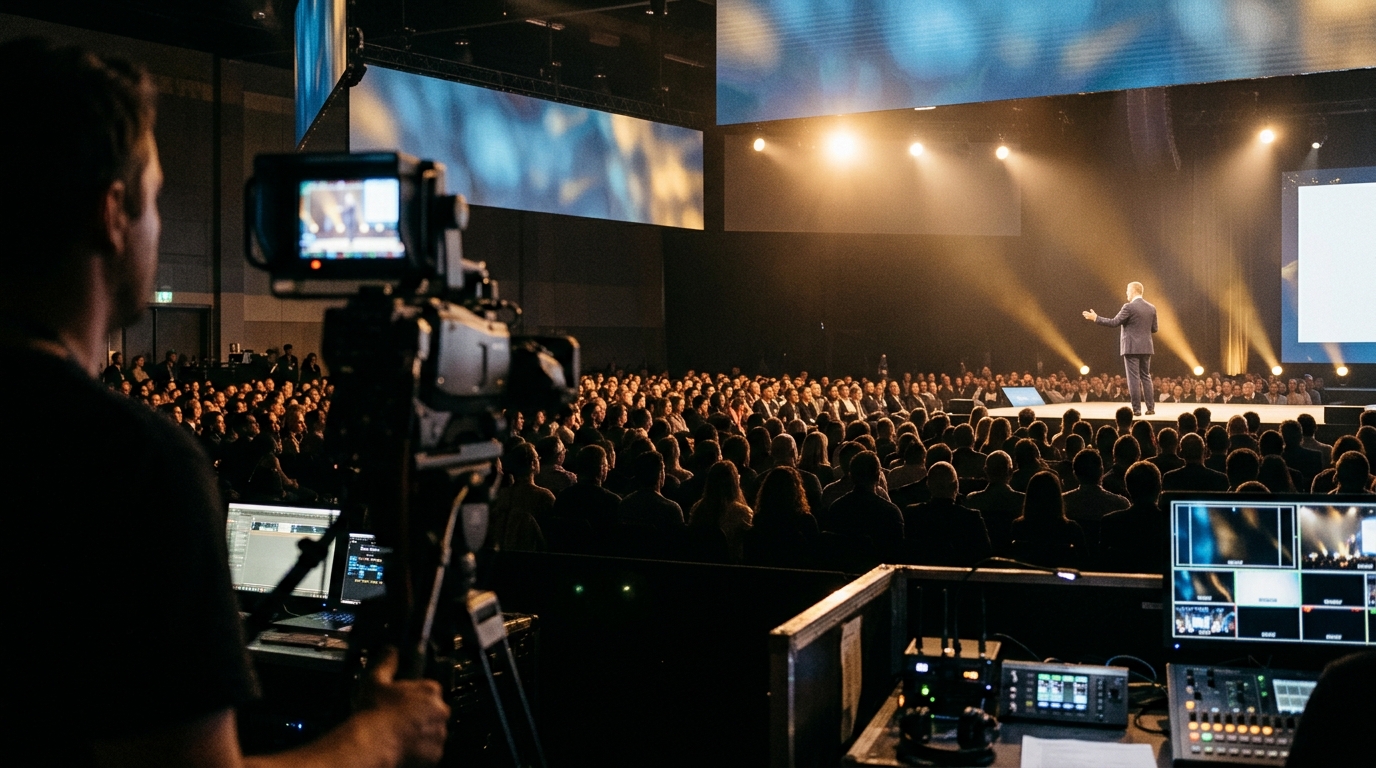
Choosing between a live keynote and a virtual session depends on your primary goal: in-person connection or broad accessibility. Live keynotes drive immediate cultural alignment and high-energy engagement, while virtual sessions maximize reach and logistical flexibility. This guide examines the operational, psychological, and strategic factors that determine which format best suits your corporate event objectives. To plan your visit, contact our team.
Live Keynote Engagement
Live keynote engagement is the process of using physical presence to create immediate, high-impact cultural shifts within an organization. When a speaker like Jacob Werksman stands on stage, the energy exchange is instantaneous. Audiences respond to vocal inflection, body language, and shared silence in ways that digital screens cannot replicate. This format is ideal for leadership summits, all-hands meetings, and off-sites where the goal is to unify a team around a new vision.
The Psychology of Presence
Physical presence triggers a sense of accountability and shared experience. Employees who attend a live keynote often report higher retention of key messages because the event feels significant and exclusive. The speaker can read the room, adjust pacing, and respond to the collective mood of the audience. This dynamic interaction fosters a deeper emotional connection to the material, which is critical when introducing difficult topics like accountability or high-performance standards. For additional details, review the Jacob Werksman Keynote Speaker.
Building Team Cohesion
Live events break down silos by bringing different departments into the same physical space. The shared experience of watching a high-caliber speaker creates a common language and reference point for future conversations. For organizations focused on culture, the live format allows for immediate networking and informal interactions that reinforce the keynote’s themes. It is a powerful tool for accelerating team performance through collective inspiration.
Virtual Session Logistics
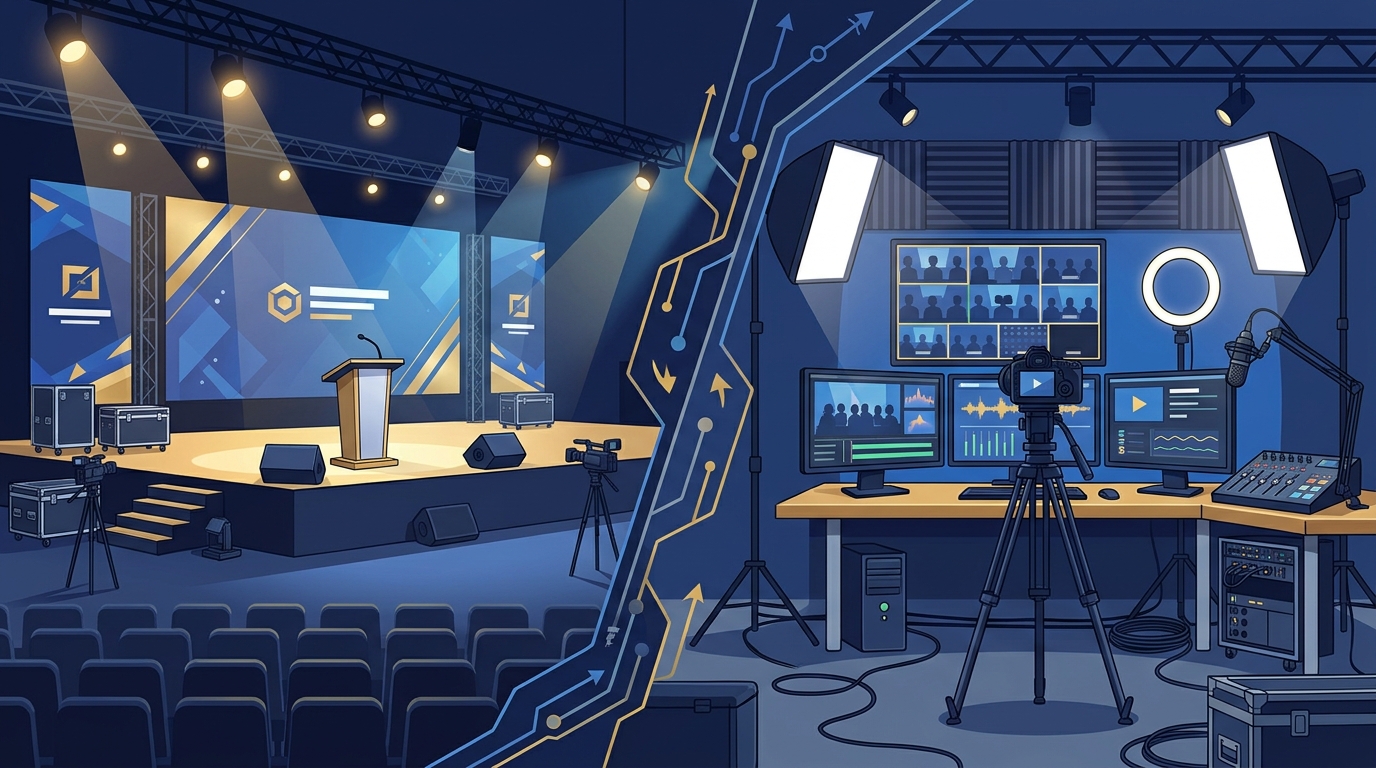
Virtual session logistics refers to the technical and operational planning required to deliver a high-quality remote presentation. This format excels in scalability, allowing thousands of employees across different time zones to attend simultaneously. It reduces travel emissions, making it a sustainable choice for large enterprises. However, it requires rigorous attention to audio-visual quality, platform stability, and audience interaction tools to prevent disengagement.
Technical Requirements
Successful virtual sessions depend on reliable internet infrastructure and high-definition streaming. Organizations must test platforms for latency, buffering, and compatibility with various devices. The speaker must be trained to engage with a digital audience, using direct eye contact with the camera and clear, concise language. Without these technical safeguards, the message can be lost in static or poor audio, undermining the speaker’s authority.
Engagement Strategies
Maintaining attention in a virtual environment requires active participation. Features like live polling, Q&A boxes, and breakout rooms help keep attendees involved. The speaker must design the presentation to be visually stimulating and concise, as attention spans are shorter in remote settings. Jacob Werksman and other expert speakers often adapt their content for virtual delivery by focusing on high-impact, actionable insights that can be consumed in shorter time blocks.
Hybrid Event Formats
Balancing On-Site and Remote Audiences
Operational Complexity
Hybrid events demand a larger production team, including technical directors, audio engineers, and on-site facilitators. Organizations must weigh the logistical demands against the strategic value of inclusivity. For global companies, the hybrid model is often the only way to ensure that all employees have access to critical leadership communications.
Format Comparison
The following table summarizes the key differences between live, virtual, and hybrid formats to help you make an informed decision.
| Factor | Live Keynote | Virtual Session | Hybrid Event |
|---|---|---|---|
| Engagement Level | High (Emotional & Physical) | Moderate (Requires Active Tools) | Variable (Depends on Production) |
| Reach & Scalability | Limited to Venue Capacity | Unlimited (Global) | High (Venue + Remote) |
| Logistical Footprint | High (Venue & Travel Operations) | Low (Platform Operations) | Moderate to High (Dual Operations) |
| Best For | Culture Building & Leadership | Informational & Large Scale | Inclusivity & Global Teams |
Key Takeaways
- Live keynotes are superior for driving cultural change and emotional connection.
- Virtual sessions offer broad global reach and operational flexibility.
- Hybrid formats provide inclusivity but require significant technical planning.
- Speaker expertise is critical in all formats; choose a speaker who adapts to the medium.
- Engagement tools are essential for virtual and hybrid events to prevent disengagement.
- Define your primary goal (connection vs. reach) before selecting a format.
- Test all technical aspects of virtual and hybrid events well in advance.
- Consider the long-term impact of the event on team cohesion and performance.
Frequently Asked Questions
Is a live keynote better for leadership development?
Yes, live keynotes are generally more effective for leadership development because they allow for immediate feedback, shared experiences, and stronger emotional connections. The physical presence of the speaker enhances credibility and makes the message more memorable.
How can I keep virtual attendees engaged?
Use interactive tools like polls and Q&A, keep the presentation concise, and ensure high-quality audio and video. The speaker should also be trained to engage with a digital audience by speaking directly to the camera.
Can a single speaker handle both live and virtual audiences?
Yes, but it requires specific training and preparation. The speaker must be aware of both audiences and use techniques to address them simultaneously. This is a skill that expert keynote speakers like Jacob Werksman often possess.
What are the risks of a hybrid event?
The main risks are technical failures and the feeling of inequality between on-site and remote attendees. To mitigate this, invest in high-quality production and ensure that remote participants have equal access to content and interaction.
How do I choose the right format for my company?
Assess your company’s size, geographic distribution, and primary goals for the event. If you are a global company with a focus on inclusivity, a hybrid or virtual format may be best. If you are a smaller, localized team focused on culture, a live keynote is likely more effective.