

Executives often struggle to determine if a leadership consultant's diagnostic process will actually uncover what is wrong with their team. A robust diagnostic process is a structured methodology that uses data collection, stakeholder interviews, and behavioral observation to identify root causes of performance gaps. It moves beyond surface-level symptoms to reveal systemic issues in culture, communication, and leadership alignment. Jacob Werksman, a former Navy SEAL and leadership expert, emphasizes that effective diagnostics must be grounded in real-world application and rigorous analysis to drive lasting change.
The Foundation of Effective Diagnostics
Many organizations fail because they treat diagnostics as a one-time survey rather than an ongoing investigative process. A true diagnostic framework is a systematic approach to gathering qualitative and quantitative data to map the current state of organizational health. Without this foundation, consultants often prescribe generic solutions that ignore the unique dynamics of the team. The goal is to create a baseline that allows for measurable progress tracking over time. For additional details, review the About Jacob Werksman page.
Defining the Scope
Before any data collection begins, the consultant must define the scope of the investigation. This involves identifying which teams, departments, or leadership layers are experiencing friction. For example, a team might report low morale, but the root cause could be a misalignment in strategic goals. Clarifying the scope ensures that the diagnostic effort is focused and relevant to the executive's primary concerns. For additional details, review the Jacob Werksman site.
Data Collection and Stakeholder Interviews
Quality diagnostics rely on diverse data sources to avoid bias. A comprehensive diagnostic process is a multi-faceted inquiry that combines anonymous surveys, one-on-one interviews, and group focus sessions. This triangulation of data helps verify patterns and uncover hidden issues that might be missed in a single data stream. Jacob Werksman’s approach to leadership development often involves deep conversations with team members to understand their daily realities and challenges.
The Role of Active Listening
Interviews are not just about asking questions; they are about active listening and empathy. Consultants must create a safe environment where employees feel comfortable sharing honest feedback. This requires a high level of emotional intelligence and trust-building. When stakeholders feel heard, the data collected becomes more accurate and actionable. This step is critical for uncovering the 'why' behind performance metrics.
Behavioral Observation and Cultural Analysis
Identifying Systemic Patterns
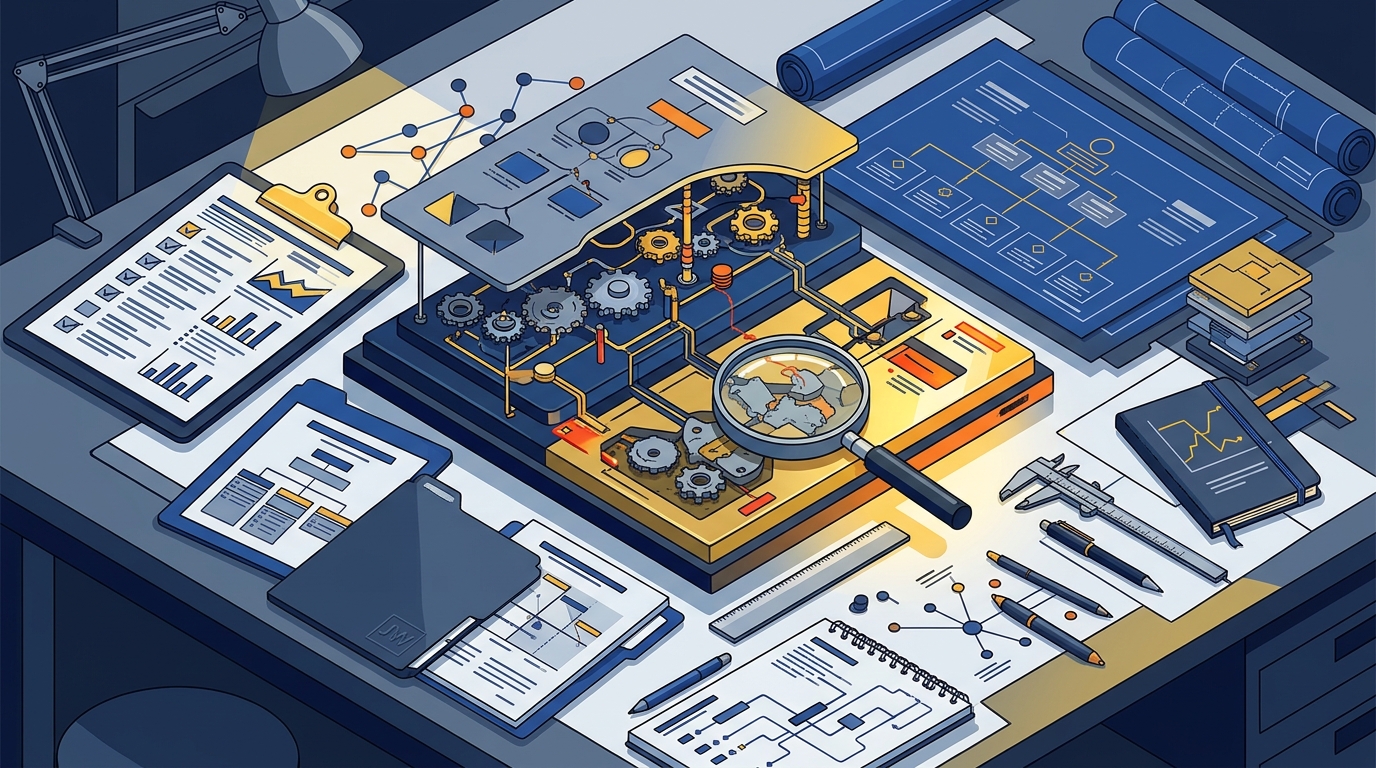
Effective consultants look for systemic patterns rather than isolated incidents. For instance, if multiple teams report similar communication breakdowns, it suggests a structural issue rather than individual incompetence. Recognizing these patterns allows for targeted interventions that address the root cause. This level of analysis requires experience and a deep understanding of organizational dynamics.
From Diagnosis to Actionable Strategy
A diagnostic process is only valuable if it leads to a clear, actionable strategy. The transition from diagnosis to action requires a detailed roadmap that outlines specific steps, timelines, and responsible parties. This roadmap should align with the organization's strategic goals and resource constraints. Jacob Werksman’s work with Victory Strategies focuses on translating diagnostic insights into practical leadership frameworks that drive performance. The strategy must be specific enough to guide immediate actions while flexible enough to adapt to changing conditions.
Measuring Impact
Key Takeaways
- A robust diagnostic process is a structured methodology that uses data collection, stakeholder interviews, and behavioral observation to identify root causes.
- Defining the scope of the investigation is critical to ensure the diagnostic effort is focused and relevant.
- Triangulating data from surveys, interviews, and observations helps avoid bias and uncover hidden issues.
- Behavioral observation provides objective evidence of how teams operate, revealing gaps between stated values and actual behaviors.
- Identifying systemic patterns allows for targeted interventions that address the root cause of performance gaps.
- The transition from diagnosis to action requires a detailed roadmap with specific steps, timelines, and responsible parties.
- Measuring impact through defined metrics ensures that the diagnostic process leads to continuous improvement.
Frequently Asked Questions
What is the first step in a leadership diagnostic process?
The first step is defining the scope of the investigation. This involves identifying which teams or leadership layers are experiencing performance gaps and clarifying the specific issues that need to be addressed. This ensures that the diagnostic effort is focused and relevant to the organization's primary concerns.
How long does a typical diagnostic process take?
The duration of a diagnostic process varies depending on the size of the organization and the complexity of the issues. A typical diagnostic phase may take several weeks to a few months. This allows time for data collection, analysis, and the development of an actionable strategy.
Why is behavioral observation important in diagnostics?
Behavioral observation is important because it provides objective evidence of how teams actually operate. It helps identify gaps between stated values and actual behaviors, which may not be revealed through surveys or interviews alone. This objective data is crucial for accurate diagnosis.
How can I ensure the diagnostic process is unbiased?
To ensure the diagnostic process is unbiased, consultants should use multiple data sources, such as surveys, interviews, and observations. This triangulation of data helps verify patterns and reduces the risk of bias from any single source. Additionally, creating a safe environment for honest feedback is essential.
What should I look for in a consultant's diagnostic methodology?
How does a diagnostic process differ from a performance review?
A diagnostic process is a broader investigation into the root causes of performance gaps, while a performance review is typically an individual assessment. Diagnostics focus on systemic issues, culture, and team dynamics, whereas performance reviews focus on individual contributions and goals. Both are important, but they serve different purposes.
Conclusion
Choosing the right leadership consultant requires a careful evaluation of their diagnostic process. By understanding the components of a robust diagnostic framework, executives can ensure that the insights gained are accurate and actionable. Jacob Werksman and his team at Victory Strategies bring a unique perspective to leadership diagnostics, combining military discipline with academic rigor. To explore how a structured diagnostic process can transform your team's performance, contact our team to start the conversation.