
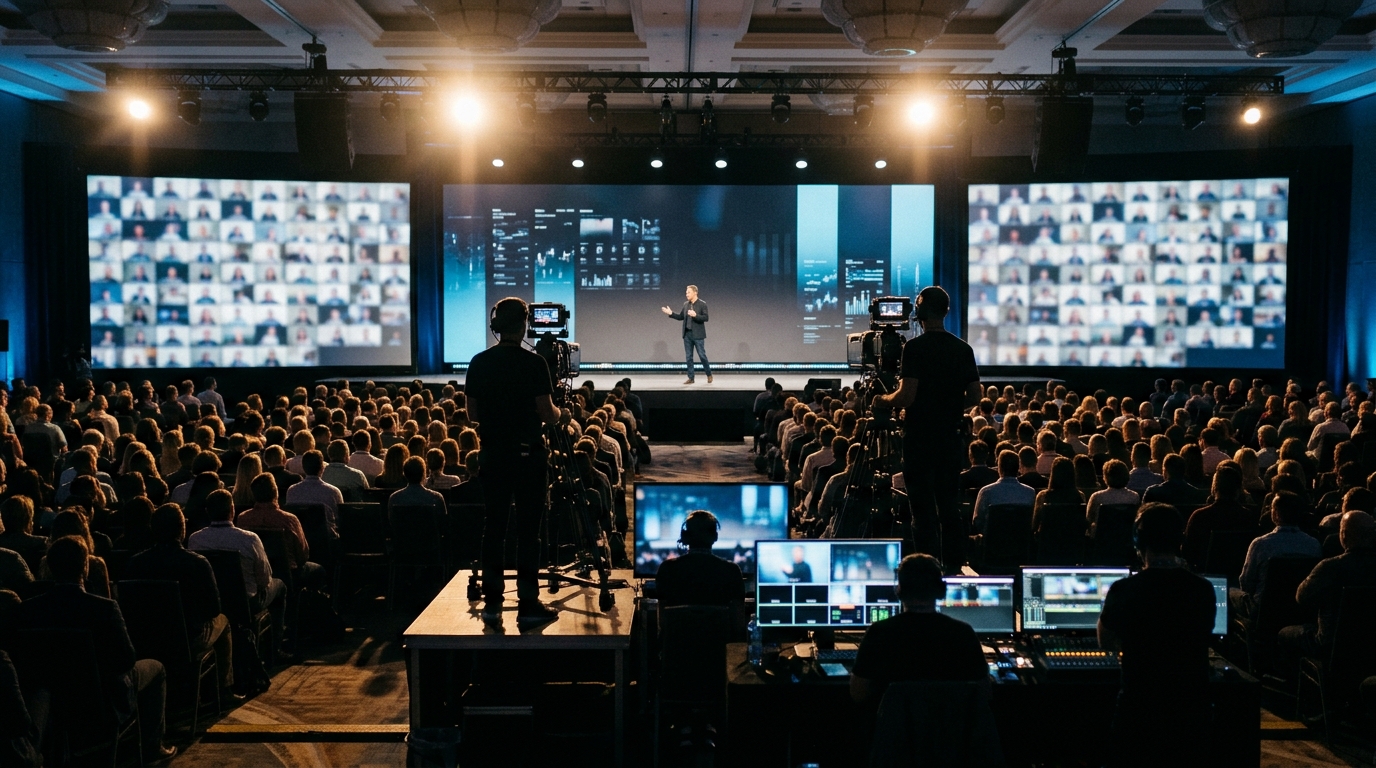
Hybrid event format is a delivery model that combines in-person and virtual audiences to maximize reach and engagement. For corporate keynotes, this approach is worth the extra planning because it extends the impact of leadership messages beyond the physical room. By leveraging digital tools, organizations can ensure that critical insights from speakers like Jacob Werksman reach every stakeholder, not just those in the front row. This dual-channel strategy transforms a single presentation into a scalable organizational asset.
The Strategic Value of Dual-Channel Delivery
Traditional live events often leave remote employees feeling disconnected from company culture and strategic direction. A hybrid format bridges this gap by treating the virtual audience as a primary participant rather than a secondary viewer. This shift is crucial for leaders who want to align distributed teams around a common vision. When a keynote is designed for both audiences, the content must be structured to maintain energy and clarity across different mediums.
Jacob Werksman, a former Navy SEAL and leadership expert, emphasizes that high performance requires high-performing individuals. In a hybrid setting, this means the speaker must actively engage the virtual crowd to prevent disengagement. The evidence for this approach lies in the ability to capture and share the session. By recording the keynote, organizations create a permanent resource that new hires and remote teams can access later. This extends the half-life of the event from a single day to months of continuous learning.
The implication is clear: hybrid planning is not just about technology; it is about inclusivity. It ensures that the leadership message penetrates every corner of the organization. For companies with global or remote workforces, this format is essential for maintaining a unified culture. It turns a local event into a global touchpoint.
Designing for Attention in a Split Audience
One of the biggest challenges in hybrid keynotes is maintaining the attention of virtual attendees who can easily click away. To counter this, speakers and event planners must design the presentation with digital engagement in mind. This involves using visual aids that are readable on smaller screens and incorporating interactive elements that bridge the physical and digital divide. The goal is to make the virtual experience feel as immersive as the in-person one.
Consider the concept of a growth mindset, a core theme in Werksman’s presentations. In a hybrid event, fostering this mindset requires active participation from all attendees. Planners can use live polling or Q&A features that allow virtual participants to ask questions in real time. This interaction signals to the remote audience that their presence is valued. It also provides the speaker with immediate feedback on how the message is landing. This dynamic exchange keeps the energy high for everyone in the room and on the screen.
The evidence for this strategy is found in the increased retention of key messages. When virtual attendees are actively involved, they are more likely to remember the core takeaways. This is particularly important for complex leadership concepts that require deep processing. By designing for attention, organizations ensure that the investment in the keynote yields a higher return on engagement. It transforms passive viewing into active learning.
Technical Infrastructure and Reliability
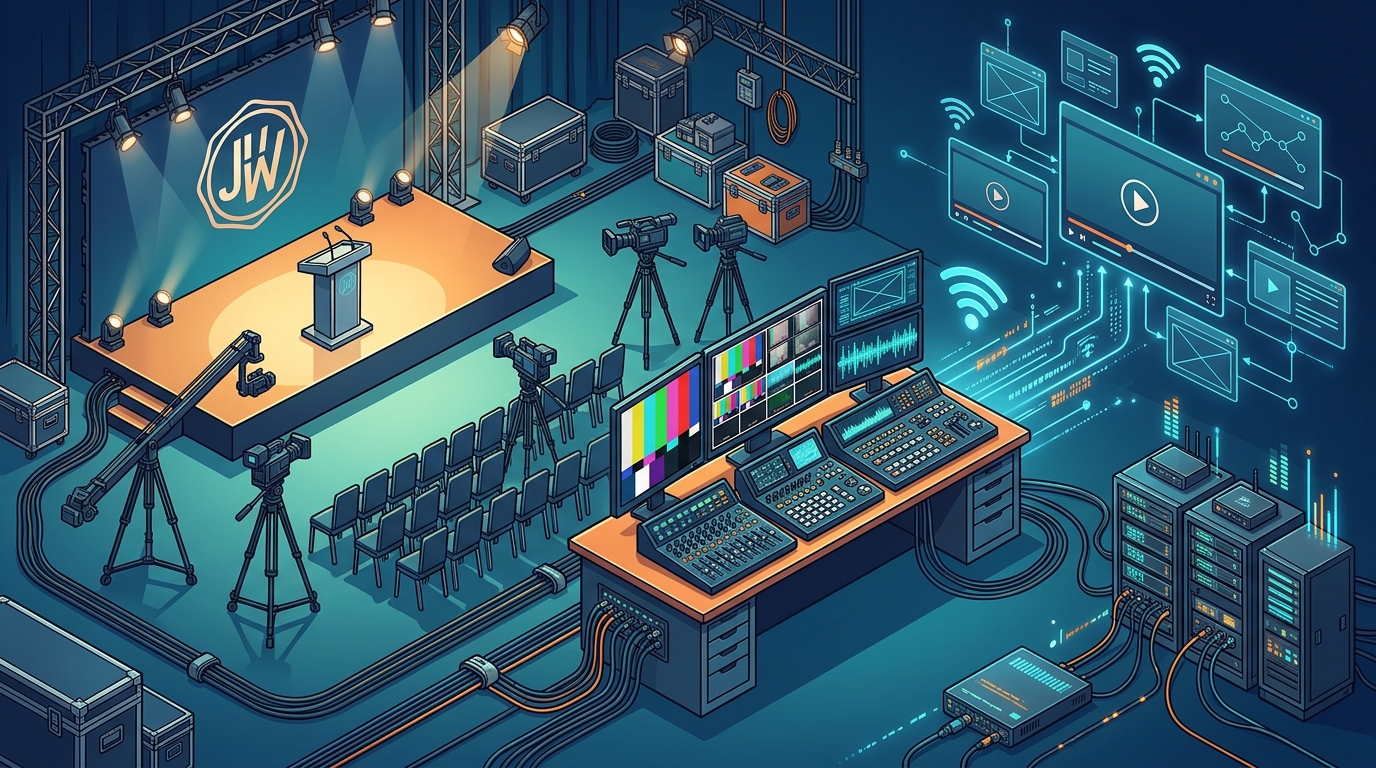
Professional speakers like Jacob Werksman work with event teams to ensure that their delivery is optimized for broadcast. This involves coordinating with AV technicians to position cameras and microphones effectively. The speaker must be aware of the virtual audience’s perspective, adjusting their pacing and volume to suit the broadcast. This collaboration between the speaker and the technical team is critical for success. It ensures that the nuances of the presentation are preserved in the digital format.
The implication of investing in reliable technology is a professional and polished event. It reflects the organization’s commitment to excellence and attention to detail. For leaders, this professionalism reinforces the message of the keynote. It demonstrates that the company values quality and reliability, traits that are essential for high performance. A well-executed hybrid event becomes a showcase of the organization’s operational capabilities.
Measuring Impact Beyond Attendance
For example, a company might measure the adoption of specific leadership behaviors discussed in the keynote. If the presentation focused on accountability, the organization can track changes in team performance metrics in the weeks following the event. This data-driven approach allows leaders to assess the long-term value of the hybrid format. It moves the evaluation from a one-time event to a continuous improvement process. This aligns with the principle of turning growth into a culture of excellence.
The evidence for this measurement strategy is its ability to justify the investment in hybrid planning. By linking the event to business outcomes, organizations can demonstrate the ROI of leadership development. It shows that the keynote was not just an entertainment expense but a strategic tool. This perspective helps secure future budgets for similar initiatives. It positions the hybrid format as a vital component of the organization’s learning and development strategy.
Key Takeaways
- Hybrid event format is a delivery model that combines in-person and virtual audiences to maximize reach and engagement.
- Designing for attention requires interactive elements that bridge the physical and digital divide, ensuring virtual attendees feel included.
- Robust technical infrastructure, including high-quality audio and video, is essential for a seamless hybrid experience.
- Professional speakers must collaborate with AV teams to optimize their delivery for broadcast, ensuring clarity and energy for remote viewers.
- Measuring impact through engagement and behavioral change provides a clearer picture of the keynote’s value than attendance metrics alone.
- Hybrid planning extends the half-life of the event by creating a permanent resource for new hires and remote teams.
- The extra planning effort is justified by the ability to align distributed teams and reinforce a unified organizational culture.
Frequently Asked Questions
What is a hybrid event format?
A hybrid event format is a delivery model that combines in-person and virtual audiences to maximize reach and engagement. It allows organizations to connect with both local and remote participants simultaneously, ensuring that key messages are delivered to a broader audience.
Is a hybrid keynote worth the extra planning effort?
Yes, a hybrid keynote is worth the extra planning effort because it extends the impact of leadership messages beyond the physical room. It ensures that critical insights reach every stakeholder, not just those in the front row, and creates a permanent resource for future learning.
How can speakers engage virtual audiences effectively?
Speakers can engage virtual audiences effectively by using interactive elements such as live polling and Q&A features. They should also be aware of the virtual audience’s perspective, adjusting their pacing and volume to suit the broadcast, and collaborating with AV teams to optimize their delivery.
What technical infrastructure is needed for a hybrid event?
Robust technical infrastructure is needed for a hybrid event, including high-quality audio and video capture, reliable streaming services, and backup systems for internet connectivity. Thorough testing and redundancy are non-negotiable components of the planning process to ensure a seamless experience.
How should organizations measure the impact of a hybrid keynote?
Organizations should measure the impact of a hybrid keynote through engagement and behavioral change rather than just attendance. This includes tracking virtual attendance rates, interaction levels, post-event surveys, and changes in team performance metrics related to the keynote’s themes.
Can a hybrid event help align distributed teams?
Yes, a hybrid event can help align distributed teams by treating the virtual audience as a primary participant rather than a secondary viewer. It ensures that the leadership message penetrates every corner of the organization, maintaining a unified culture across remote and in-person employees.
Conclusion
Implementing a hybrid event format for a corporate keynote requires deliberate planning and technical precision, but the benefits far outweigh the effort. It transforms a single presentation into a scalable organizational asset that aligns distributed teams and reinforces a unified culture. By focusing on engagement, reliability, and measurable impact, organizations can maximize the value of their leadership development initiatives. For those seeking to elevate our team’s performance, exploring the speaking engagements offered by Jacob Werksman provides a proven framework for high-impact leadership communication. To begin planning your next event, contact our team to discuss how a hybrid keynote can accelerate your organization’s growth. Learn more: Contact Start Your Conversation.